Why Was Brexit The Biggest Mistake In UK History?
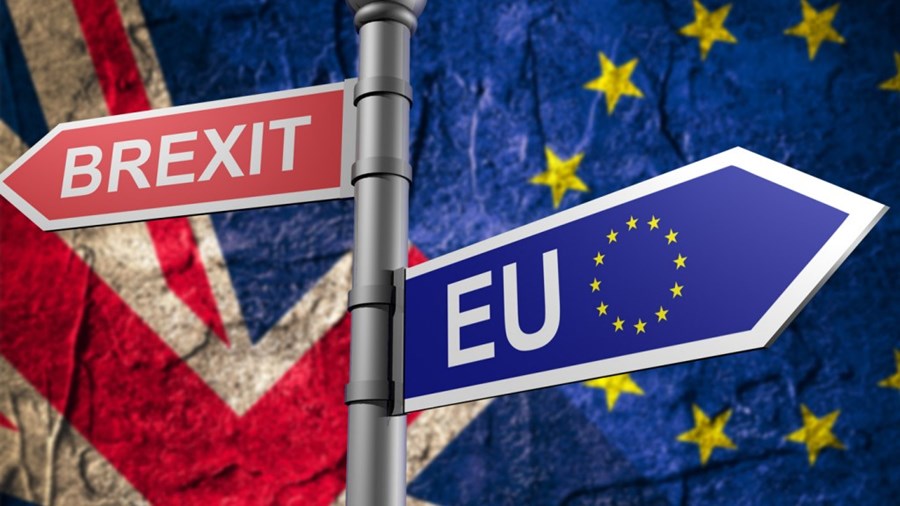
Brexit, the United Kingdom’s decision to leave the European Union, remains one of the most significant political events in modern British history. The 2016 referendum resulted in a narrow vote in favor of leaving the EU, leading to years of negotiations, political debate, and economic uncertainty. While supporters viewed Brexit as an opportunity to regain national sovereignty and control over laws and borders, critics argued that the decision could weaken economic ties, reduce political influence, and create complex legal challenges.
Since the official departure from the European Union in 2020, Brexit has continued to spark debate among politicians, economists, and citizens. Many discussions focus on whether the decision has delivered the promised benefits or created new difficulties for trade, diplomacy, and domestic governance.
Understanding why some critics describe Brexit as a major mistake requires examining the political, economic, and legal consequences that followed the historic referendum.
The Political Context Behind Brexit
The Brexit referendum was the result of years of political debate within the United Kingdom about its relationship with the European Union. Some political groups believed that EU membership limited the UK’s ability to make independent decisions about trade, immigration, and national legislation.
The 2016 referendum asked British voters whether the country should remain in or leave the European Union. The outcome was close, with approximately 52 percent voting to leave and 48 percent voting to remain.
Many analysts examining Brexit political and legal consequences in the UK note that the referendum exposed deep political divisions within the country. Regions, age groups, and economic sectors often held very different views about the benefits and risks of leaving the EU.
These divisions continued after the referendum as political leaders worked to negotiate the terms of withdrawal. Debates about sovereignty, trade agreements, and legal frameworks dominated UK politics for several years.
The political complexity surrounding Brexit illustrates why it remains one of the most debated decisions in British history.
Economic Concerns and Trade Challenges
One of the primary concerns raised by critics of Brexit involves the economic impact of leaving the European Union. Before Brexit, the UK benefited from access to the EU’s single market, which allowed goods, services, and capital to move freely between member countries.
After leaving the EU, the UK had to renegotiate trade relationships and establish new regulatory frameworks. Businesses involved in international trade faced additional customs procedures, documentation requirements, and logistical adjustments.
Some industries, particularly those relying on supply chains across Europe, experienced disruptions as new trade arrangements were implemented. These changes required companies to adapt quickly to new rules and administrative processes.
Economists and policy analysts often continue to debate how Brexit affects long-term economic growth, international trade, and investment within the United Kingdom.
These discussions highlight the complex relationship between economic policy and international partnerships.
Legal and Regulatory Changes
Leaving the European Union also required significant legal adjustments. EU law had influenced many aspects of British legislation for decades, including regulations related to trade, labor rights, and environmental standards.
After Brexit, the UK government began reviewing and modifying laws that had previously been connected to EU legal frameworks. This process involved transferring existing EU legislation into domestic law and determining which regulations should remain or be revised.
Legal scholars studying UK and European political governance debates note that Brexit created a complex transition period during which lawmakers needed to adapt regulatory systems to reflect the UK’s new status outside the EU.
The legal transition required extensive parliamentary work and administrative changes to ensure that laws continued functioning effectively after withdrawal.
These regulatory adjustments illustrate how deeply interconnected legal systems had become during the UK’s membership in the European Union.
International Influence and Diplomatic Relations
Another issue often discussed in the Brexit debate involves the UK’s role on the international stage. As a member of the European Union, the United Kingdom participated in a large political and economic bloc that negotiated trade agreements and policies collectively.
Leaving the EU meant that the UK would represent its interests independently in international negotiations. Supporters viewed this as an opportunity to pursue tailored trade agreements with countries around the world.
However, critics argued that acting alone might reduce the country’s influence compared to negotiating as part of a larger alliance.
Diplomatic relationships with European neighbors also required adjustment as the UK established new frameworks for cooperation on issues such as security, travel, and economic policy.
These changes reshaped the UK’s position within the broader European political landscape.
Public Opinion and Continuing Debate
Even years after the referendum, Brexit continues to generate strong opinions across British society. Public discussions often focus on whether the expected benefits of leaving the EU have materialized.
Some citizens believe Brexit offers opportunities for economic independence and national decision-making. Others argue that the transition has introduced unnecessary complexity and uncertainty.
Political leaders and policymakers continue to debate the long-term implications of Brexit, particularly in areas such as trade policy, immigration rules, and regulatory standards.
The ongoing discussion reflects the significance of the decision and its lasting impact on British politics.
As the UK continues to define its post-Brexit role internationally, the debate about its consequences remains an important part of political discourse.
Conclusion
Brexit represents one of the most significant political and legal transformations in the United Kingdom’s modern history. The decision to leave the European Union reshaped the country’s economic relationships, legal systems, and international position. While supporters viewed Brexit as a step toward greater national sovereignty and independent policymaking, critics raised concerns about trade challenges, regulatory complexity, and reduced influence in global affairs. The process of negotiating withdrawal agreements and adapting domestic laws demonstrated how deeply integrated the UK had been within European institutions. Even after the transition period, debates about Brexit’s long-term impact continue to shape public discussion and political decision-making in the United Kingdom. As the country navigates its future outside the European Union, Brexit remains a defining moment that continues to influence British governance, economic policy, and international relations.